
5 things you need to know about microplastics in cosmetics
March 16, 2016 – Marina Engervik
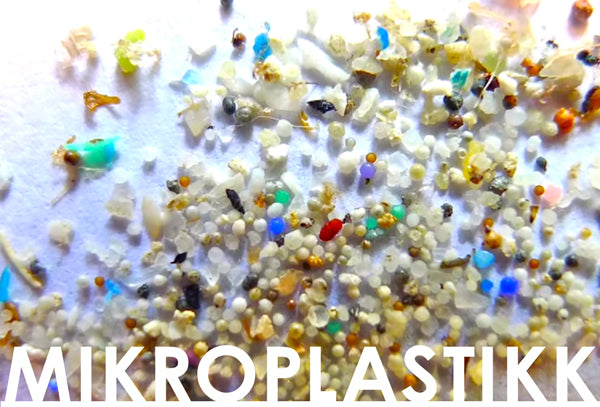
Photo: www.5gyres.org
Microplastics are a big and important topic that I have researched extensively because I love the ocean and the animals that live in it. Plastic pollution is terrible and it is a growing problem worldwide. I have put together 5 points about the most important things you should know about microplastics in cosmetics and how you can help fight this problem.
This will only take you 5 minutes to read and I recommend you read it all because it is such important information! At the bottom of this post is also an informative video made by storyofstuff.org on the topic.
1. What are microplastics?
Microplastics are tiny (0.05 - 2 mm) particles of plastic that are used as an ingredient in cosmetics to provide a peeling effect to the skin. Microplastics are also often used in toothpaste. This microplastic is barely visible to the naked eye, and the problem is that the microplastic ends up in the bathroom drain and is carried away with the drain.
2. What is dangerous about microplastics?
The treatment plants are unable to filter out all the microplastics and then this flows further into the ocean and various fish and animals will absorb or eat the microplastics. The pieces of microplastics can also contain substances that are harmful to health and the environment. In addition, the microplastics act as ''sponges'' in the ocean and bind environmental toxins from the environment. Which makes microplastics toxic. When microplastics are eaten by animals, the toxins can be carried further up the food chain. Humans are at the top of the food chain and in the worst case, they end up on our own dinner plates.
3. Why can't we just remove the microplastics?
Scientists estimate that there are approximately 5.25 trillion pieces of plastic littering the world's oceans. 92% of this is microplastic. Microplastics are not biodegradable, and they are virtually impossible to remove from the ocean because the microplastics become part of the marine environment.
What we can do is cut out the use of products that contain microplastics.
Many people wonder why big companies don't just simply remove microplastics from their products , but the fact is that they want to have plastic in their products because it's cheaper and easier to get. They also believe that microplastic beads are better for exfoliation because they are smoother than natural alternatives. This is not true and the skin gets a better, healthier and longer-lasting effect from a peeling with natural ingredients such as shea butter or sugar grains.
4. What are the authorities doing about the problem?
According to the Mepex report, cosmetics containing microplastics are a source of 40 tons of microplastics annually in Norway. Around 4 tons of this are transported all the way out to sea. This is only for Norway. In February 2016, the Storting asked the government to submit a proposal to ban microplastics in body care products.
In 2015, a law was passed in the US banning the use of plastic microbeads in cosmetics and toiletries (effective from 2017), but it is limited to rinse-off products such as scrubs, toothpaste and shampoo, and the law does not apply to leave-in products such as make-up and sunscreen. In Europe, it is still legal, the European Commission has only advised against the use of microplastics in cosmetics.
A recent study conducted by the consulting company Eunomia, commissioned by the European Commission, has explained that microplastics are often used in newer leave-in products, and that these microplastics are smaller than those used in products that are washed off.
These plastic particles found in leave-in products can be even smaller than ''normal'' microplastics. They are plastic particles that are 0.0003 mm in size (normal size is 0.05 - 2 mm). There could be between 10 and 100 trillion plastic particles in a single sunscreen product!
It is the smallest particles that are potentially the most dangerous because they are absorbed into the food chain so easily. The smallest particles can also be absorbed through the skin of fish and animals. These harmful particles are still legal in both the US and Europe and we must do what we can to protect the ocean and our health by not using products that contain microplastics.
5. How can I avoid using products with microplastics?
Go through your products and look for the following ingredients:
- Polyethylene
- Polypropylene
- Polyethylene terephthalate
- Polymethyl methacrylate
Something else that may help you is a list of products sold in Norway that contain microplastics. The list is not complete, but it gives you a small overview. See the list here >>
You can also avoid microplastics by buying all-natural products that promise not to use synthetic ingredients like microplastics. Marina Miracle is against all use of microplastics and you can always be assured that we have never and will never use any form of microplastics in our products. In our newest product, Rosehip Peeling Mask, we use sugar grains from raw cane sugar that exfoliate the skin in an effective and all-natural way that is safe for you and the environment.
Read more about Rosehip Peeling Mask here >>


